Characteristics of animation, an art form that combines technology and creativity to create the illusion of movement. Through diverse techniques and styles, a story can be told or a message conveyed visually.
This article will address the fundamental characteristics, exploring the differences between traditional and digital modalities, as well as the methods and principles that underpin them. It will also examine their applications in various fields.
General characteristics of animation
This art form encompasses a wide range of techniques and styles, and is a constantly evolving field. The following describes fundamental aspects that define its various forms.
Definition and evolution of the art of movement
Animation can be understood as the process of creating the illusion of movement through a sequence of rapidly following images. From its humble beginnings in hand-drawn animation to today’s groundbreaking digital productions, the evolution of animation has transformed the way visual stories are told. The introduction of new technologies has allowed artists to explore previously unimaginable forms of expression.
Differences between traditional and digital animation
There are significant differences between traditional and digital, which affect both the creation process and the final result.
The traditional method, done mainly by hand, involves considerable effort on the part of the animators, who create each frame individually.
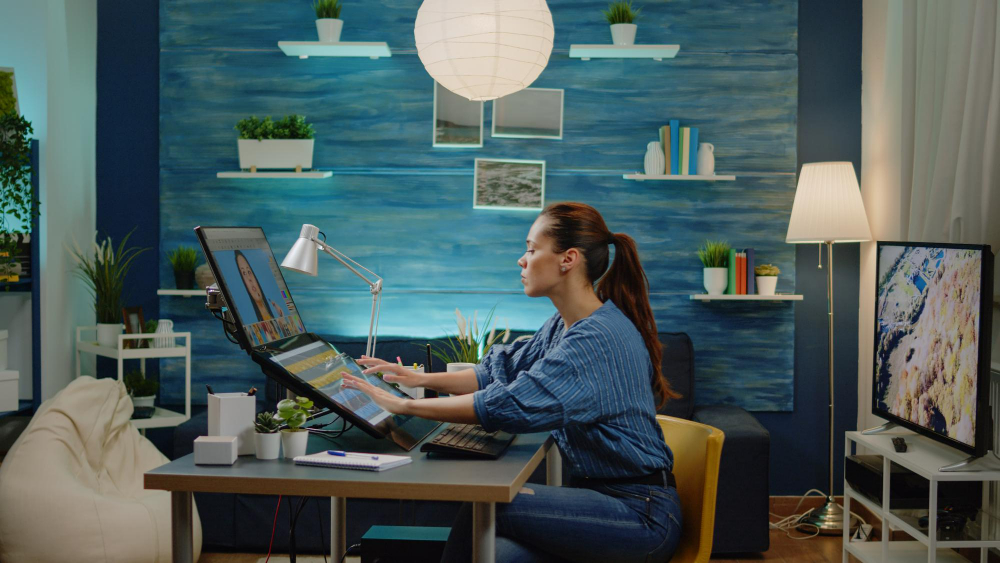
On the other hand, digital animation uses specialized software that allows for more efficient manipulation of characters and settings. This approach facilitates the reuse of elements and adaptation to changes, thus reducing production time.
The animator’s role in the creative process
The animator plays a central role in the creation of this content. This professional must not only master drawing techniques and software, but also understand the principles of visual storytelling.
An animator’s creativity translates into the ability to bring characters and environments to life, as well as the way they convey emotions and messages through action. Decision-making in the creative process is crucial to the success of an animated production.
Visual style and level of detail in the animations
The visual style reflects the unique identity of each project. The choice of colors, shapes, and textures can vary significantly between different styles, whether in 2D or 3D animation.
The level of detail is also a determining factor; while some may opt for a minimalist approach, others may incorporate a high degree of realism and complexity, which influences the viewer’s perception.
Production and resources in modern animation
Animation production today requires a diverse team of professionals and a variety of resources. From screenwriters and designers to visual effects specialists, every team member contributes to the process.
Technological advances have facilitated access to tools and software that optimize creation. Online collaboration platforms have also changed the dynamics of work, allowing teams from different parts of the world to collaborate on the same project.
Techniques and methods used in animation
Animation unfolds through a variety of techniques and methods that bring characters and stories to life. Each approach has its own essence and advantages, enriching the landscape of animated creation.
Traditional animation and hand-drawn animation
This classic form has shaped the history of motion picture art. It uses manual skills to create images that come to life on screen.
Frame by frame and pose by pose
The frame-by-frame method involves drawing each frame individually, which requires considerable effort and dedication. On the other hand, the pose-by-pose technique focuses first on designing the key poses, between which the images connecting each position are interpolated.
Use of physical materials: paper, ink, and acetate sheets
In traditional animation, the materials used are crucial. Paper, ink, and acetate sheets are essential elements in this process. Each one contributes unique characteristics to the animations, from texture to color.
Digital animation and specialized software
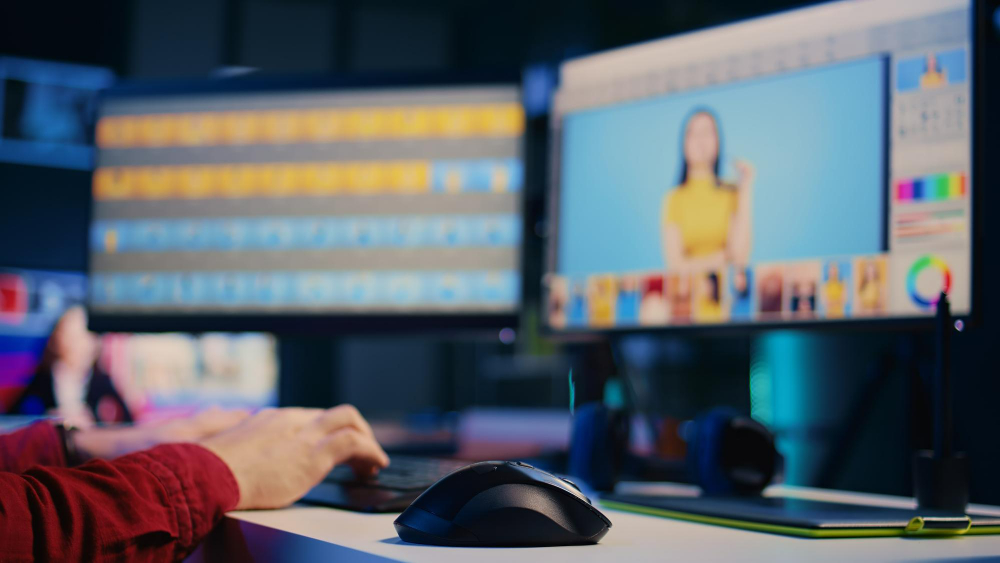
With the advancement of technology, digital animation has become increasingly important. This method allows animators to create complex works using digital tools that facilitate the creative process.
Most used programs in digital creation
Several software programs dominate the digital field, such as Adobe After Effects, Autodesk Maya, and Blender. These tools provide advanced features that optimize the creative process.
3D application and visual effects
Digital animation also allows for the creation of three-dimensional environments. Through the use of sophisticated techniques, visual effects can be implemented that enrich the narrative.
Volume animation and stop motion
This technique offers a unique approach to working with physical objects to create animated movements. Volumetric animation, such as stop motion, is known for its creativity and versatility.
Techniques with plasticine and inanimate objects
Claymation allows for the modeling of characters and settings that come to life in each frame. This method is known for its complexity, as every change in position requires patience and precision.
Cut-out animation
On the other hand, cut-out animation uses pieces cut from paper or other materials. This approach is particularly appealing because it allows for innovative and unique storytelling.
Rotoscopy and other advanced techniques
Rotoscoping is a technique that involves tracing drawings over moving images. This gives animations a high degree of realism and fluidity of movement.
Time lapse and accelerated sequences
This technique involves capturing images at intervals, creating a sequence that shows accelerated motion. It is particularly effective for representing transformations over time.
The 10 main characteristics of animation
These principles are essential for bringing animated creations to life and making them realistic. By understanding and applying each one, animators can enhance visual storytelling and connect more effectively with their audience.
- Stretching and shrinking to give life
The principle of stretching and shrinking focuses on manipulating the shape of objects and characters during their movement. This effect creates the illusion of weight and flexibility, allowing the audience to better perceive the nature of a moving object.
For example, when showing a bouncing ball, you can make it stretch as it rises and flatten as it hits the ground. This principle not only adds realism but also highlights the dynamics of the movement.
- Anticipation and staging for visual clarity
Anticipation involves creating a preceding movement that prepares the viewer for the action that follows. This approach is crucial for guiding the audience’s attention.
For example, a character leaning forward before jumping offers a clear indication that the action is about to happen.
Staging refers to the visual arrangement of elements in a scene, ensuring that the context and action are easy to understand and follow.
- Complementary and overlapping actions
Complementary actions are those that continue their movement even after the main action has ended.
For example, when a character finishes running and their hair or clothes are still moving. This adds a level of realism, making them feel more natural and dynamic.
- Accelerate and decelerate for realistic movement
This principle emphasizes that movements in real life are not instantaneous, but rather exhibit gradations. By applying the concept of acceleration and deceleration, a sense of fluidity and naturalness can be conveyed.
For example, when animating an accelerating car, the speed will gradually increase before reaching its maximum speed and will smoothly decrease as it stops.
- Smooth arcs and transitions in the poses
Real-life actions often follow arc-shaped paths, which should be reflected in animation. This principle ensures that the movements are visually pleasing and convincing.
Smooth transitions between different poses prevent the characters from looking stiff, improving the fluidity of the action and maintaining the viewer’s interest.
- Secondary action and rhythm synchronization
Secondary action enriches the narrative by complementing the main action without stealing the spotlight. For example, a character who gestures while speaking brings the scene to life.
Synchronization ensures that movements occur at the right time, following the rhythm and physics corresponding to each action, which is crucial to achieving visual cohesion.
- Exaggeration and appeal to shock the viewer
Exaggeration is a technique that allows animators to amplify certain traits or actions. This technique maintains attention and makes characters memorable.
The appeal of a character does not necessarily refer to their physical beauty, but to how their design and behavior intrigue the viewer, adding interest to the story.
- Practical application in traditional and digital animation
The essence of these principles is evident in both traditional and digital animation. While the tools and techniques may vary, the intention to make animations more captivating and realistic remains constant.
Understanding and using these fundamentals is vital for any animator who wants to raise the quality of their work.
- Creation of characters and three-dimensional environments
3D character design involves careful consideration of anatomy and aesthetics. Each figure is modeled using software that allows for the manipulation of vertices, faces, and textures. This stage is crucial for giving characters unique characteristics that enhance their visual appeal.
As for the environments, they are created using three-dimensional models that reproduce scenes rich in detail. By utilizing textures and lighting systems, environments are generated that lend an authentic atmosphere to the story. These elements interact organically with the characters, creating a cohesive visual narrative.
- Integration of visual effects and post-production
Post-production is an essential component of 3D animation. This process includes adding visual effects that enrich the viewer’s experience. Techniques such as fluid dynamics, particle effects, and explosions are used to enhance the visual impact.
The effects are carefully integrated into the animated sequences, ensuring stylistic consistency. Specialized software tools allow for precise adjustments, creating compositions that look natural and immersive.
Advantages and challenges compared to traditional animation
3D animation offers numerous advantages over traditional animation. Production speed increases significantly, allowing animators to easily make changes and optimizations. Reusing models and sets minimizes creation time.
However, challenges exist. The technical complexity of 3D animation may require specialized training. Furthermore, the resources needed to maintain advanced software and powerful hardware are obstacles that many studios must consider.
Turn animation features into results
The characteristics of digital and traditional animation are not merely technical concepts: they are the foundation for bringing to life stories that inspire, move, and remain in the viewer’s memory. Understanding these differences is the first step; the second, and more important, is applying them creatively in real-world projects.
At Escena Cuatro, we know how to transform these principles into impactful audiovisual pieces. Whether using classic techniques or the latest digital technology, our team combines art and technology to create visual experiences that connect with your audience.